
Personalized product recommendations
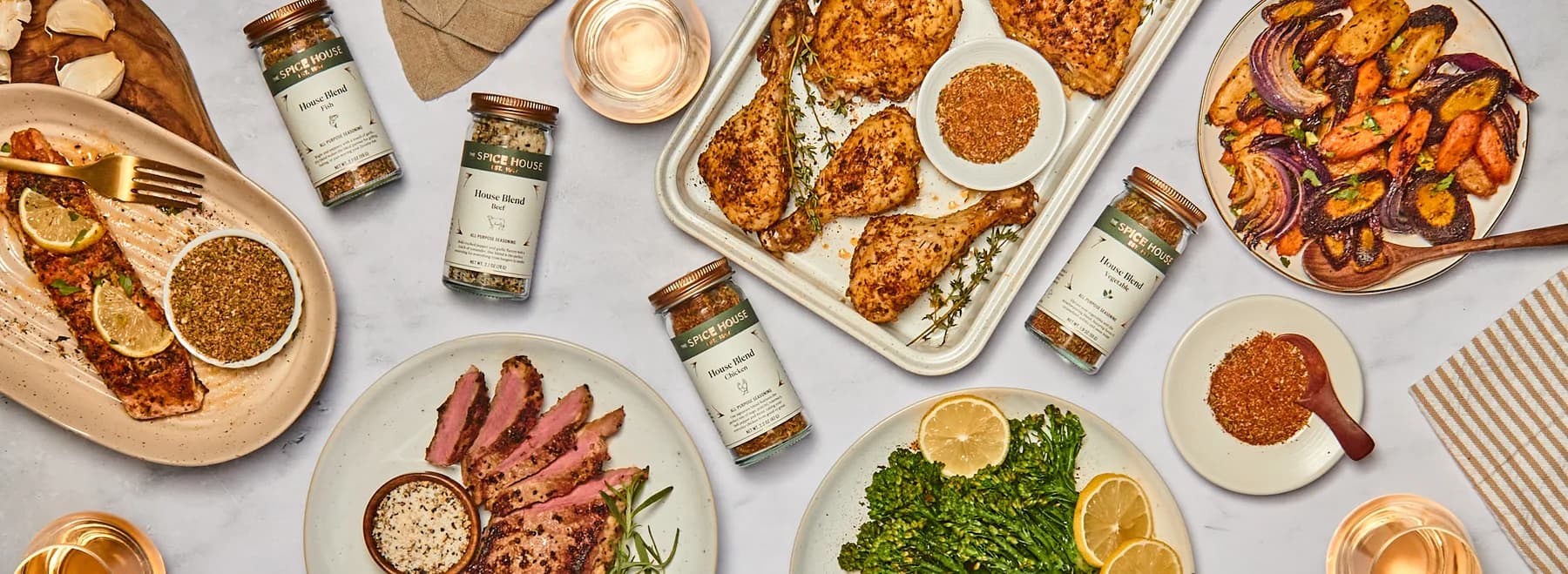
The Spice House helps shoppers find their next favorite flavor.
A recommendation engine reads taste preferences, cooking interests and product context to build a relevant shortlist, giving shoppers a clearer path through a broad spice catalog.


The impact
22%
higher recommendation conversion
Personalized product recommendations
Case study facts
- Industry
- Food & specialty retail
- Team
- Marketing
- Systems connected
- 3
- Time to live
- 2 weeks
- Engagement
- AI implementation
The impact
Results for the team
- higher recommendation conversion
- 22%
- higher recommendation conversion
- Recommendation conversion tracks how often a recommended product leads to a purchase.
- higher average basket value
- 16%
- higher average basket value
- Average basket value tracks spend per order as shoppers find additional products relevant to their tastes.
- more discovery beyond bestsellers
- 34%
- more discovery beyond bestsellers
- Shoppers discover more products outside the bestsellers, with suggestions tied to their cooking interests.
Situation
Different tastes. The same bestsellers.
A generic bestseller list cannot tell whether someone wants to explore a cuisine, restock a favorite or find a milder alternative. Useful product relationships remain buried in descriptions.
Challenge
Useful product connections stayed hidden.
Recommendations needed to connect a shopper’s cooking interests with real product attributes, while respecting availability and explicit exclusions. Missing ingredient information could never become an assurance of suitability.
What we built
Taste-led product recommendations.
We structured flavor notes, culinary uses and product relationships across the catalog. The recommendation engine combines those attributes with stated preferences and permitted shopping history to rank suitable products.
Stock and explicit ingredient constraints filter the candidates, while short explanations connect each suggestion to the shopper's context.
- Read the shopper's context
Use stated preferences, the current product and permitted shopping signals.
- Model flavor attributes
Organize flavor, heat and culinary-use data across the catalog.
- Filter candidates
Respect availability and explicit ingredient exclusions.
- Rank the shortlist
Balance close relevance with genuine discovery.
- Explain each match
Tie every suggestion to a cooking use or stated preference.
- Learn from choices
Explicit feedback and purchases continuously refine relevance.
Evals and guardrails
Measure relevance. Check product explanations.
Recommendation evals
Check that the best product matches appear first using reviewer-rated examples. Test missing profiles, conflicting tastes and unavailable stock.
Evidence evals
Check product explanations against ingredient and flavor facts. Test for invented uses and unsupported claims about allergy safety.
Guardrails
Filter by stock and stated ingredient restrictions before ranking. Exclude products that cannot be checked because ingredient data is missing.
Results
More of the catalog becomes discoverable.
Recommendation conversion tracks how often a recommended product leads to a purchase. Average basket value tracks spend per order as shoppers find additional products relevant to their tastes.
Shoppers discover more products outside the bestsellers, with suggestions tied to their cooking interests.
- higher recommendation conversion
- 22%higher recommendation conversion
- higher average basket value
- 16%higher average basket value
- more discovery beyond bestsellers
- 34%more discovery beyond bestsellers
From The Spice House
“An invaluable resource to have on your side. They work quickly, find solutions tailored to how the business actually runs, and consistently deliver high-quality work. Beyond the results, they are a pleasure to work with.”


Build Capacity To Grow. Own Your Intelligence.
Bring the workflow slowing your sales, orders or delivery. We'll map the bottleneck and show you what the AI system could look like.